
How To Write a Report Introduction
When it comes to writing a report, the introduction is often the most underrated part. But the truth is, it’s one of the most important sections. The introduction is your chance to grab the reader’s attention and explain what your report is all about. It sets the tone, provides some background, and helps the reader understand why the report matters. In simple terms, it answers the “what,” “why,” and “how” of the document.

A strong report introduction lays the foundation for everything that follows. It gives a quick preview of the topic, highlights the main goal, and outlines what the reader can expect. This helps the reader feel more prepared and engaged as they move through the report. Think of it like a map that shows the route before the journey begins.
Many people assume that writing the introduction is just about restating the title or summarising the whole report—this is one of the biggest mistakes. An effective introduction doesn’t give everything away but provides just enough information to spark interest and show the direction the report is heading.
Ever felt stuck staring at a blank page, not knowing how to begin your report? You’re not alone—and that’s exactly where platforms like FineWriters can help by guiding you through each step with ease. They make it easier to Write a Report Introduction that captures attention and maintains clarity.
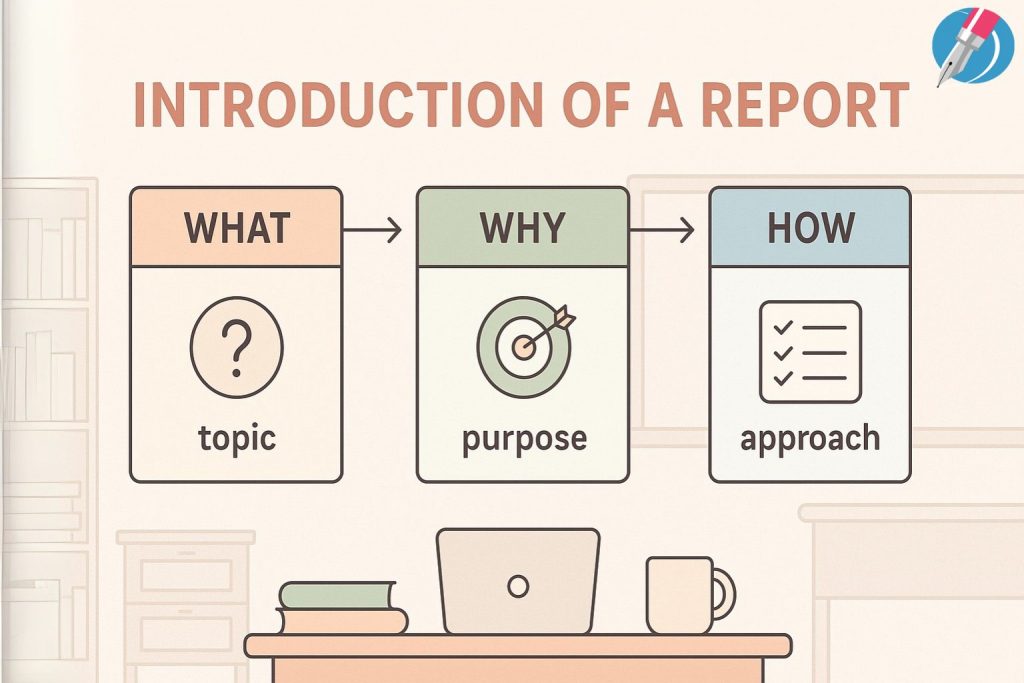
In short, a well-written report introduction can make all the difference in how your report is received.
Key Elements of an Effective Report Introduction
If you want your report introduction to really work, there are a few key elements you should always include. These parts help the reader quickly understand what your report is about and why it’s important. Let’s break it down in simple terms.
First, start with some background context. Think of this as setting the scene. Your reader might not know much about the topic, so it’s your job to explain the basics. This helps them understand where the report fits in and why it matters. For example, if you’re writing a business report, you might explain a recent trend or challenge in the industry.
According to a 2023 report by Statista, around 48% of UK professionals read only the introduction and conclusion of a business report before making an initial judgment about its relevance. This reinforces the importance of a strong start.
Next, include a clear statement of the problem or topic. What is your report focusing on? What issue are you trying to solve, or what question are you answering? Be specific here—this part helps your reader stay focused and understand the report’s main purpose.
After that, state the purpose and objectives of the report. Why did you write it, and what are you hoping to achieve? Whether it’s to analyse data, propose a solution, or explore a topic in depth, make that clear from the start.
Sometimes, it’s also useful to include the scope and limitations. This means briefly mentioning what the report will cover—and what it won’t. It helps set realistic expectations.
Finally, give a quick overview of the report structure. Just a few lines to explain what each section will cover. This acts like a roadmap so the reader knows what’s coming.
By putting all these elements together, you can create a strong, effective introduction that grabs attention and guides your reader from the very first paragraph. Knowing how to Write a Report Introduction that includes these key elements helps make your report more impactful.
Step-by-Step Guide to Writing a Report Introduction
Writing a report introduction doesn’t have to feel overwhelming. If you follow a few simple steps, you can put together a clear and effective intro that makes a great first impression. Here’s a quick guide to help you get started:
Step 1: Understand your audience and report type
Before you start writing, think about who will be reading your report. Is it for your tutor, a client, or your manager? Also, consider the type of report—whether it’s technical, research-based, or business-focused. This will help you set the right tone and choose the appropriate language.
Step 2: Conduct brief preliminary research
Even if you’re already familiar with the topic, take a few minutes to gather current facts, stats, or updates. This can help you add a solid background to your introduction and show that your report is relevant and up to date.
Step 3: Start with a hook or relevant context
Begin your introduction with something that catches attention. It could be an interesting fact, a surprising statistic, or a short story related to the topic. This creates curiosity and gives the reader a reason to keep reading.
Step 4: Clearly define the report’s purpose
Let the reader know why the report was written. Are you solving a problem? Exploring a topic? Proposing a solution? State this clearly so your reader knows what to expect.
Step 5: Outline the report’s structure to guide the reader
End your introduction by briefly explaining what each section of the report will cover. This helps the reader navigate your report more easily.
Writing tips for clarity, tone, and conciseness
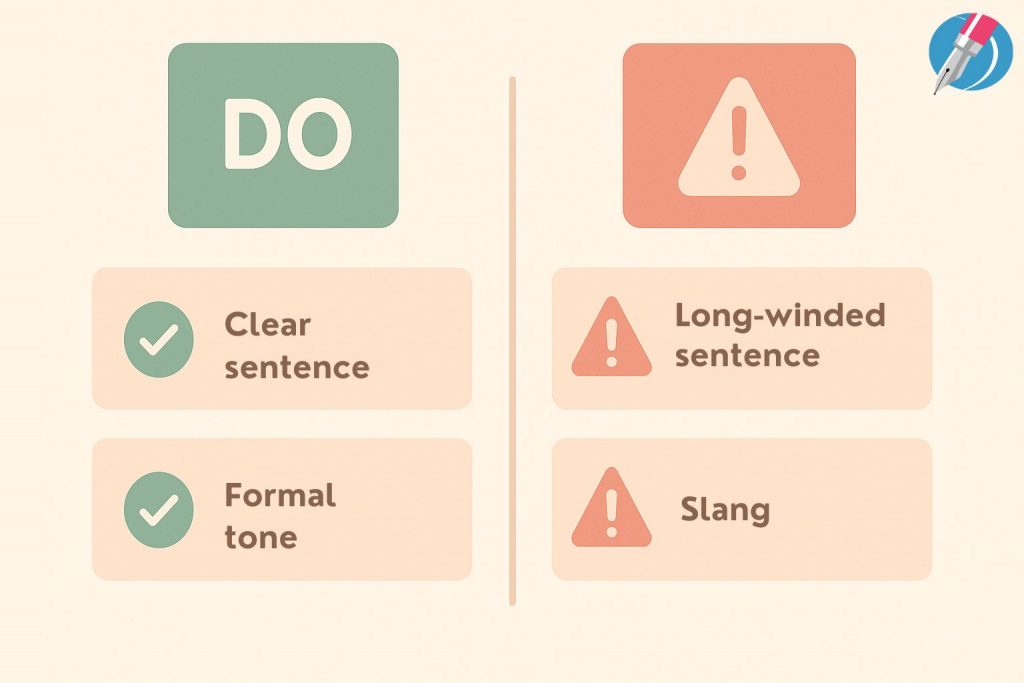
Keep your writing clear and to the point. Avoid using long, confusing sentences. Stick to a formal tone if it’s a professional report, but make sure your language is still easy to understand. Be concise—your introduction should give just enough info without going into too much detail.
If writing still feels tough, a coursework writing service can support you with structure, tone, and clarity—especially when deadlines are tight. This can be especially helpful when trying to Write a Report Introduction under pressure.
By following these steps, you’ll create a strong report introduction that’s clear, informative, and engaging from the very first line.
Common Mistakes to Avoid in Report Introductions
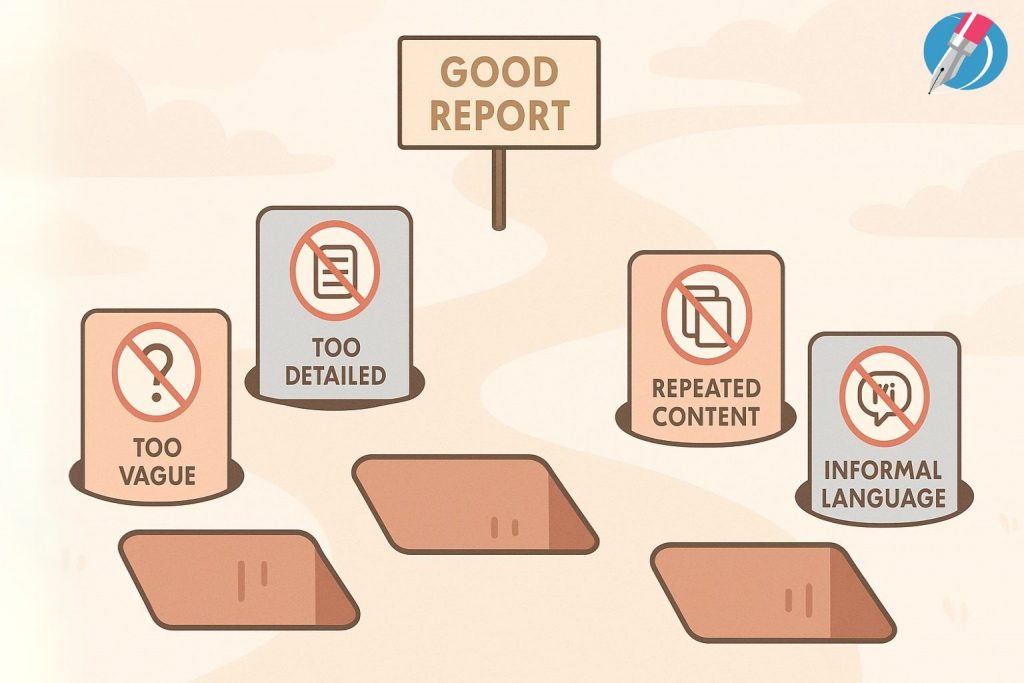
Even a great topic can lose impact if your introduction has common writing mistakes. Here are a few to avoid if you want your report introduction to stand out:
One of the biggest mistakes is being too vague or too detailed. If your intro doesn’t give enough background, readers will be confused. On the other hand, if you overload it with too much information, they might lose interest before they even get to the main part of the report.
Another problem is repeating content from the body of the report. The introduction should preview the topic—not explain everything. Save the detailed analysis and findings for later sections.
Some people also forget to include an outline of what the report will cover. This makes the report harder to follow, especially if it’s long or has multiple sections. Just a simple overview at the end of your intro makes a big difference.
Finally, avoid using informal language in a formal report. Even if you’re writing in a relaxed style, keep it professional. Skip the slang and casual phrases—it can make your report seem less credible.
By steering clear of these common mistakes, your report introduction will be much more effective and professional. Learning how to Write a Report Introduction correctly is the first step towards building credibility in your writing. If needed, turning to a report writing service can also help you craft an introduction that meets high standards.
Examples of Well-Written Report Introductions

Sometimes, the best way to learn how to write a report introduction is to see real examples. Below are two sample introductions—one for a business report and one for a technical report—so you can see how the key elements work in action.
Example 1: Business Report Introduction
“This report looks at the declining customer retention rates in our retail stores over the past two years. With online competition on the rise, it’s important to understand why our customers are leaving and what strategies can bring them back. The report will explore recent trends, analyse customer feedback, and recommend ways to improve loyalty programmes.”
Why it’s effective:
This introduction starts with a clear problem, gives background context, explains the purpose, and briefly outlines the report’s content. It’s clear, relevant, and easy to follow.
Example 2: Scientific/Technical Report Introduction
“The purpose of this report is to examine the effects of temperature variation on battery efficiency in electric vehicles. Recent studies suggest that performance drops significantly in extreme weather conditions. This report summarises current research, presents data from field tests, and outlines recommendations for improving battery design under varying climates.”
Why it’s effective:
This introduction sets a professional tone, clearly states the objective, includes relevant context, and hints at what the rest of the report will include. It’s precise and informative without going too deep too soon.
Both examples follow a simple structure and keep the reader informed from the start—exactly what a strong report introduction should do. If you’re ever unsure how to Write a Report Introduction that works, studying examples like these can really help. You can also check out related resources such as How to Write a Critical Analysis? Step-by-Step Guide for Graduate Students to build your writing confidence across formats.
Final Tips for Crafting a Strong Introduction

Once you’ve written your introduction, don’t forget to edit and revise it after finishing the rest of the report. Often, the purpose and direction become clearer as you write, so it’s a good idea to refine your intro at the end.
Make sure your introduction matches the tone and content of the full report. Stay consistent and keep a professional tone, even if your writing style is more relaxed.
A polished introduction leaves a great first impression—so it’s worth the extra effort!
Conclusion
Your report introduction is more than just the opening—it’s your chance to guide the reader and set expectations. By following a simple structure and avoiding common mistakes, you can write introductions that are clear, professional, and effective. Start strong, and the rest of your report will follow smoothly. Practising how to Write a Report Introduction will improve your skills and confidence with every report you create.